

This site is best viewed in Firefox, Chrome, Safari, or EdgeX

Your Journey. Your Dreams. Our Support.

NECC Welcomes Deferred Action for Childhood Arrivals (DACA) and Undocumented Students

Northern Essex Community College (NECC) welcomes applications from DACA and undocumented students.

Deferred Action for Childhood Arrivals (DACA) provides eligible undocumented individuals who arrived in the U.S. as children with temporary protection from deportation and renewable work authorization. DACA students may enroll at NECC; however, DACA is not a student visa status.
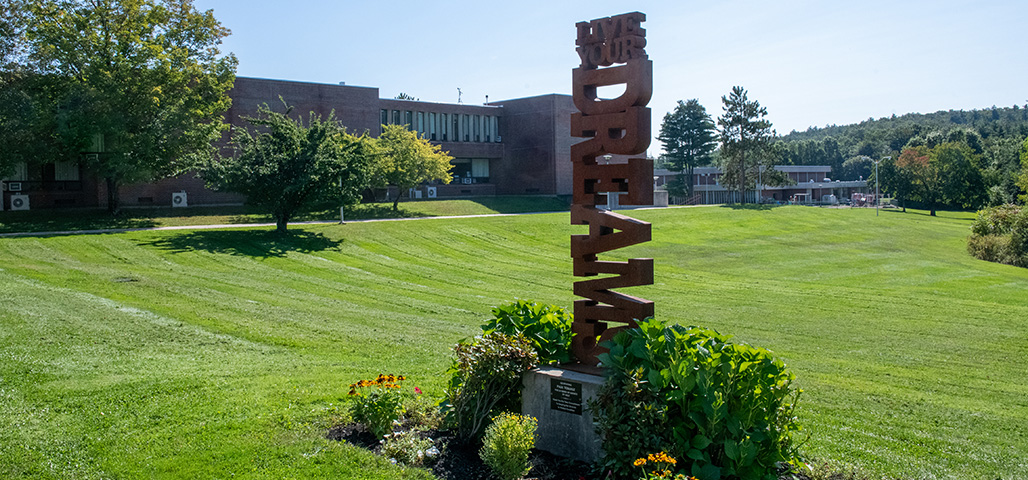
Photo of the Dream Statue by Dale Rogers on the Haverhill Campus during a brgight and sunny summer day

What Does It Mean to Be Undocumented?

A person may be considered undocumented if they:

  • Entered the U.S. legally but their immigration status has expired.
  • Applied for legal immigration status and were denied.
  • Have not applied for a legal status that allows them to remain in the U.S.

Can Undocumented Students Apply to NECC?

Yes. Undocumented students are welcome to apply for admission to NECC.


Financial Aid and Tuition Equity

Are DACA or Undocumented Students Eligible for Federal Financial Aid?

No. Federal financial aid is not available to DACA or undocumented students.

What Financial Assistance May Be Available? 

DACA or Undocumented students who meet Massachusetts eligibility requirements may qualify for:

 To determine eligibility:

  1. Complete the Massachusetts Application for State Financial Aid (MASFA).
  2. Complete the Tuition Equity Eligibility Form.
  3. Submit the completed Tuition Equity Eligibility Form to Enrollment Services.

For more information, visit:


    Do Undocumented Students Need an I-20?

    No. An I-20 is required only for students applying for or maintaining F-1 student status.


    Confidential Support

    Students with questions about immigration status, DACA, or related concerns may contact the International Student Office. All conversations are handled with care and respect for privacy.


    Support & Resources

    Questions About Admission

    A recruitment counselor can help you navigate the admissions process and enrollment roadmap.

    Contact the Office of Student Recruitment at learn@necc.mass.edu

    Questions About Financial Aid, MASFA, or Tuition Equity

    Financial aid staff can assist with eligibility requirements, applications, and required documentation.

    Contact the Office of Financial Aid at financialaid@necc.mass.edu

    Questions Requiring Confidential Support

    Confidential consultations are available to support your academic and personal success.

    For private conversations about immigration-related concerns or support during your studies, contact the International Student Office at dreamers@necc.mass.edu


    Frequently Asked Questions About Immigration and Customs Enforcement (ICE) on NECC Campuses

    NECC understands that immigration enforcement actions can be a source of concern for students, employees, and families. The information below explains NECC’s practices and your rights. Because federal policies may change, this guidance may be updated as needed.


    Immigration Enforcement on Campus

    Can ICE officers come onto NECC campuses?

    Yes, in some situations.

    As a public community college, many areas of NECC are open to the public. Federal immigration officers may enter public spaces without a warrant.

    However, some areas are not open to the public, including:

    • Administrative and faculty offices
    • Classrooms while classes are in session
    • Laboratories
    • Locker rooms

    Access to these areas may require additional legal authorization.

    Does seeing ICE on campus mean an enforcement action is taking place?

    No.

    ICE and other Department of Homeland Security (DHS) officials may be on campus for reasons unrelated to immigration enforcement. For example, NECC participates in federal programs that require periodic reviews and reporting for certain international students.

    When can ICE enter nonpublic areas of campus?

    Federal immigration officers generally need a criminal search warrant or criminal arrest warrant signed by a judge to enter nonpublic campus areas without permission.

    Administrative immigration warrants alone do not authorize entry into restricted areas without consent.

    What should employees do if an ICE officer requests access to a restricted area?

    Employees should:

    1. Remain calm and professional.
    2. Inform the officer that college policy requires the request to be referred to Public Safety.
    3. Contact Public Safety immediately.

    Employees should not grant access to restricted areas on their own.

    Will the NECC Police Department enforce immigration laws?

    No.

    The NECC Police Department:

    • Does not ask about immigration status.
    • Does not arrest individuals solely because of immigration status.
    • Does not enforce ICE administrative warrants related only to immigration or residency matters.

    However, NECC Police are required to enforce criminal warrants issued by any law enforcement agency, including ICE.

    Community Rights and Privacy

    Can ICE enter my home or apartment?

    Not without your consent or a criminal warrant signed by a judge.

    An administrative immigration warrant (including a deportation or removal warrant) does not authorize officers to enter a home without permission.

    A judicial criminal search or arrest warrant signed by a judge may allow officers to enter without consent.

    What is the difference between an administrative warrant and a judicial warrant?

    There are two types of warrants used by federal immigration enforcement officers: an administrative warrant, and a judicial warrant.

    Administrative Warrant

    • Issued by immigration authorities.
    • Not signed by a judge.
    • Does not allow officers to enter a private residence without consent.
    • May allow an arrest in a public place.

    Judicial Warrant

    • Signed by a judge.
    • May authorize a search of a specific location or the arrest of a specific person.
    • Can permit entry into a residence under the terms of the warrant.
    Do I have to answer questions from an ICE officer?

    No.

    Individuals have the right to remain silent and do not have to answer questions, provide documents, or sign paperwork without consulting an attorney.

    What should employees do if asked for student or employee records?

    Employees should refer all requests for records or personal information to Public Safety.

    Student educational records are protected by federal privacy laws, including the Family Educational Rights and Privacy Act (FERPA). Employees are required to maintain the confidentiality of these records.

    Legal Resources and Support

    How can I speak with an immigration attorney?

    For assistance finding local immigration attorneys, contact:

    International Student Office at dreamers@necc.mass.edu

    Where can I learn more about my rights?

    The Massachusetts Immigrant and Refugee Advocacy Coalition (MIRA) provides information about legal rights and resources for immigrants and undocumented individuals:

    Know Your Rights (MIRA Coalition)

    Need Additional Support?

    If you have questions or concerns about immigration-related issues, contact the International Student Office for guidance and support. NECC is committed to maintaining a welcoming and supportive learning environment for all students.

    Print View